

How Cutting-Edge Mental Health Research Is Revolutionizing Therapy
The field of mental health is experiencing an exciting transformation, fueled by groundbreaking research in psychology and neuroscience. These discoveries are reshaping the way therapists approach care, enabling more effective, personalized, and culturally attuned treatment options. From advances in brain imaging to the growing use of digital therapy tools, these innovations are not only improving mental health outcomes but also expanding access to care for diverse communities.

For mental health professionals—particularly African American practitioners who often navigate systemic challenges while supporting their communities—staying informed about these developments is essential. By embracing research-backed strategies, therapists can refine their approaches, address racial trauma with greater sensitivity, and adopt new modalities that connect deeply with the lived experiences of their clients. This work is not easy, but it is profoundly impactful, and self-care is an integral part of the process.
In this blog, we’ll explore some of the most impactful research shaping the future of therapy today. Together, we’ll dive into neuroscience breakthroughs, culturally responsive interventions, and emerging therapeutic tools that are transforming mental health care. These advancements offer not only new opportunities for growth but also a reminder of the importance of holistic, compassionate, and community-centered care in our work.
The Neuroscience of Therapy: How Brain Research Is Transforming Treatment
Recent advancements in neuroscience are transforming how we understand and treat psychological challenges, offering hope and deeper insights for those seeking mental wellness. By exploring how the brain functions, researchers are uncovering ways therapy can reshape neural pathways, leading to more effective and lasting positive change.
Neuroplasticity: The Brain’s Ability to Heal and Grow

Neuroplasticity, the brain’s remarkable ability to adapt and form new connections, has become a key focus in therapy today. This concept reminds us of the brain’s capacity for growth and healing, even after trauma or hardship. Approaches like cognitive-behavioral therapy (CBT) and mindfulness-based practices have been shown to physically transform brain areas tied to emotional regulation, resilience, and recovery. For mental health professionals, incorporating neuroplasticity-based techniques means supporting clients in not just managing symptoms but fostering meaningful, long-term change at the neurological level.
Brain Imaging: Guiding Personalized Healing
The advancements in technologies like fMRI and EEG have given us a clearer window into the brain's inner workings. They allow us to see how different therapies influence brain activity, empowering clinicians to create treatment plans tailored to each individual’s needs. For example, research using brain imaging has shown that trauma-focused therapies can calm an overactive amygdala (the brain’s fear center) while strengthening the prefrontal cortex, the area responsible for logical thinking and self-control. These insights reassure us that healing is not only possible but measurable.
The Gut-Brain Connection: Nourishing Mental Wellness
An exciting area of research has revealed the deep connection between gut health and mental health. The gut microbiome, often called our "second brain," plays a significant role in regulating mood. Imbalances in gut health have been linked to conditions like depression and anxiety, highlighting the importance of a holistic approach to care. By pairing traditional therapy with dietary and lifestyle changes, we can support both the mind and body, helping clients achieve more balanced and lasting well-being.
As mental health professionals and advocates, embracing these neuroscience-driven breakthroughs allows us to refine our approaches and align treatments with the latest understanding of the brain’s incredible capacity for growth and healing. Together, we can empower individuals on their journey to wellness, remembering that care is not just about treating symptoms—it’s about nurturing the whole person with compassion and expertise.
The Rise of Culturally Responsive Therapy
Mental health care is deeply personal—there’s no one-size-fits-all solution. As we learn more about the profound impact of cultural identity, racial trauma, and lived experiences on mental well-being, the need for culturally responsive care has become increasingly clear. For African American mental health professionals, staying informed about these advancements is crucial—not only to support clients more effectively but also to care for themselves in a system that often overlooks cultural nuances.

The Power of Culturally Competent Care
When therapy reflects a client’s cultural background, something transformative happens: trust grows, engagement improves, and outcomes are better. Research supports this. A 2021 study published in the Journal of Counseling Psychology found that culturally tailored interventions were far more effective in reducing symptoms of depression and anxiety among Black clients than traditional approaches. These findings remind us how vital it is to weave cultural understanding into therapeutic practices.
Addressing Racial Trauma with Evidence-Based Tools
The psychological toll of racial trauma is real and lasting. Whether rooted in discrimination, systemic racism, or historical injustices, these experiences can reshape brain function—amplifying fear responses while diminishing decision-making and self-regulation. But there’s hope. Therapies designed specifically for racial trauma, such as Race-Based Traumatic Stress Intervention (RBTSI), are providing African American professionals and their clients with tools to navigate these challenges and foster healing.
The Importance of Identity-Affirming Therapy
Every client deserves to feel seen, valued, and proud of who they are. Identity-affirming therapy is a powerful way to help clients process experiences while embracing cultural pride and self-worth. Techniques like narrative therapy, Afrocentric psychology, and intergenerational healing are proving to be impactful in empowering African American clients to overcome mental health challenges and reclaim their identities.
As we continue to uncover the importance of culturally responsive care, it’s essential to integrate these learnings into practice. By doing so, we create spaces where clients feel truly understood and supported. For mental health professionals, this isn’t just about improving outcomes—it’s about fostering connection, resilience, and hope, one session at a time. Let’s continue this important work together.
Innovative Therapeutic Modalities Shaping the Future
Mental health care is evolving, offering new, innovative ways to support healing and well-being. Beyond traditional talk therapy, these advancements are empowering professionals and clients alike, reshaping how care is delivered and experienced. By exploring these approaches, we can embrace a more holistic, effective path to mental wellness.
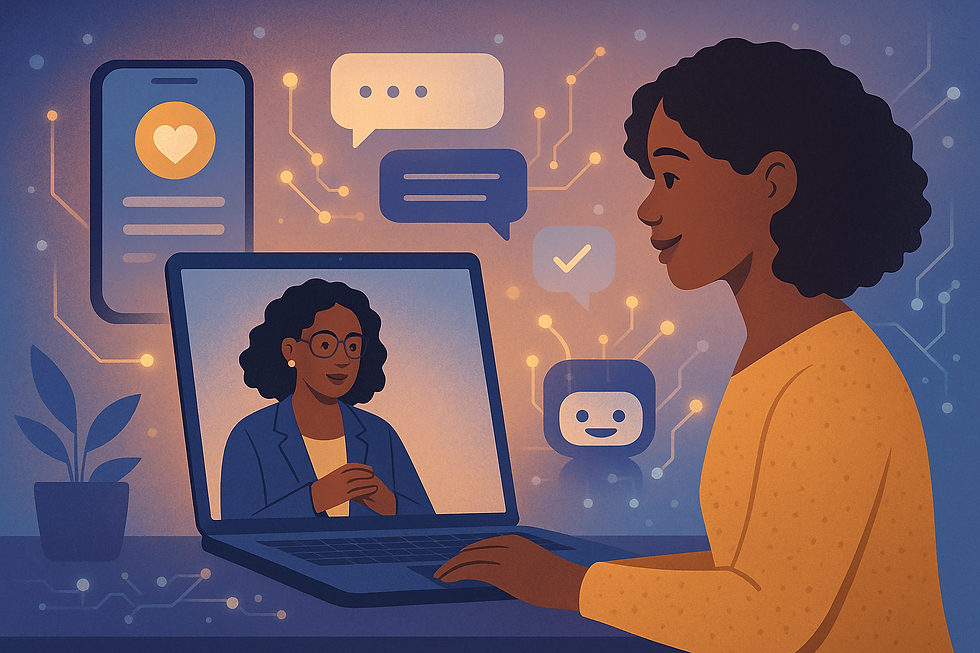
1. Digital Mental Health Tools and AI-Driven Therapy
Advances in AI and digital platforms are making mental health care more accessible and personalized than ever. Tools like AI-powered chatbots, mobile therapy apps, and teletherapy services provide real-time support and self-guided care. For individuals facing barriers to traditional therapy, these innovations can be a lifeline. Studies also highlight the effectiveness of AI-assisted cognitive behavioral therapy (CBT) in reducing symptoms of depression and anxiety. These tools reflect an exciting shift toward meeting individuals where they are—both physically and emotionally.
2. Virtual Reality (VR) for Trauma Recovery and Exposure Therapy
Virtual reality is transforming the way we approach trauma and anxiety treatment. By creating immersive, controlled environments, VR allows clients to safely confront fears or process trauma at their own pace. Research shows VR-based therapy can be particularly effective for conditions like PTSD and phobias. For African American mental health professionals, VR also offers the chance to create culturally relevant scenarios that better reflect the unique challenges faced by Black communities. This technology is opening doors for healing in ways that feel safer and more inclusive.
3. Psychedelic-Assisted Therapy: Exploring New Avenues for Healing
The emerging field of psychedelic-assisted therapy is gaining attention for its transformative potential. Substances like psilocybin and MDMA, when used in therapeutic settings, have shown promise in treating depression, PTSD, and addiction. Clinical trials suggest these therapies can foster profound emotional breakthroughs and sustainable mental health improvements.

While still in its infancy, this approach offers hope and new tools for those striving to heal deep wounds in a supportive, controlled environment.
4. Somatic Therapies for Trauma Healing
Somatic therapies, such as EMDR (Eye Movement Desensitization and Reprocessing), somatic experiencing, and breathwork, are gaining recognition for their ability to address trauma stored in the body. These methods focus on the connection between the mind and body, helping individuals release tension and regulate their nervous systems. For communities impacted by intergenerational trauma, somatic approaches can offer a meaningful path toward relief and resilience. They remind us that healing extends beyond the mind—it’s about caring for the whole self.
As the mental health field continues to grow and adapt, staying informed about these emerging therapies allows us to better serve and support those in need. By integrating these advancements into practice, mental health professionals can offer personalized care that honors the diverse experiences of their clients. At its core, this evolution is about meeting people where they are and empowering them to move forward with hope and strength.
The Impact of Research on Mental Health Professionals
As mental health care continues to evolve, staying informed about the latest research isn’t just helpful—it’s essential to providing effective and compassionate support. For African American mental health professionals, integrating new discoveries into practice not only enhances client outcomes but also fosters personal growth and strengthens the cultural relevance of therapy. Together, we can embrace these advancements to uplift our communities and ourselves.

1. Growing Your Skills with Research
New breakthroughs in neuroscience, culturally responsive care, and innovative therapeutic methods provide tools that help address even the most complex challenges. Evidence-based techniques, such as mindfulness practices for stress relief or neuroplasticity-based methods for cognitive change, empower us to refine our approaches and deliver better outcomes for those we serve. By staying engaged with scientific research, we ensure that our methods stay effective, relevant, and grounded in the latest discoveries.
2. Building Confidence and Credibility
As mental health professionals, our clients and colleagues rely on us for expertise and guidance. Staying up-to-date with advancements in psychology and neuroscience not only makes our therapy more effective but also strengthens our credibility. Whether learning through professional development, academic journals, or collaboration with peers, engaging with research builds confidence in our abilities and deepens trust with clients.
3. Staying Flexible in a Changing Field
Mental health care is constantly changing, driven by new research and evolving best practices. By embracing a mindset of continuous learning, we can remain adaptable and ready to meet new challenges. For African American therapists, this flexibility is particularly important as we navigate both traditional models of care and the unique, culturally specific needs of our communities.
4. Prioritizing Self-Care and Resilience
It’s easy to focus entirely on our clients’ well-being, but research reminds us that self-care is just as crucial. Studies show that practices like mindfulness, maintaining work-life balance, and fostering community connections are vital in preventing burnout and supporting long-term resilience. By integrating research-backed self-care strategies into our own lives, we can sustain both our personal well-being and our ability to effectively support others.
The field of mental health is growing, and so are the opportunities to deepen our impact. By staying informed and connected to the latest research, we can continue to provide high-quality, culturally relevant care that uplifts both our clients and ourselves. In doing so, we contribute not only to our individual practice but to the ongoing transformation of mental health care as a whole. Together, we can create meaningful, lasting change.
Conclusion
The field of mental health care is evolving rapidly, with groundbreaking research in psychology and neuroscience opening doors to more effective, personalized, and culturally responsive therapy. From the transformative science of neuroplasticity to innovative approaches like virtual reality and psychedelic-assisted therapy, these advancements are reshaping the way we understand and deliver mental health care. For African American mental health professionals, staying informed about these developments is not just beneficial—it’s empowering. It enables stronger client outcomes while fostering personal growth and well-being within the profession.
By incorporating evidence-based techniques into practice, therapists can offer interventions that are not only effective but deeply meaningful. This might include addressing racial trauma with culturally attuned care or utilizing new tools to promote long-term healing. Taking a holistic and empathetic approach allows professionals to meet clients where they are, creating safe, inclusive spaces for growth. At the same time, prioritizing continuous learning ensures that therapists remain adaptable, resilient, and prepared to navigate an ever-changing landscape.
The future of therapy holds incredible potential, and mental health professionals who embrace emerging research are uniquely positioned to lead this transformation. As we look ahead, one thing is certain: knowledge is a powerful tool for healing—both for ourselves as clinicians and for the communities we serve. By staying engaged, committed, and curious, we can create meaningful change that uplifts us all.


Comments